The Algerian used car market has shown a rapid growth trend in recent years. According to data from the Algerian National Statistics Office (ONS), the country’s used car imports accounted for more than 65% of the total car transactions in 2022, and the market size exceeded US$1.2 billion. However, behind this prosperity lies a complex competitive landscape and multiple challenges.
Competition pattern: European brands dominate, local dealers rise
At present, Algeria’s used car market is dominated by European imported vehicles, with French and German brands (such as Renault and Volkswagen) accounting for about 50% of the market share (data source: Algerian Automobile Industry Association). At the same time, local dealers have gradually formed a regional sales network by integrating scattered car sources. Especially in port cities such as Oran and Annaba, small and medium-sized car dealers have seized the low-end and mid-end market through flexible pricing.
Challenge 1: Policy fluctuations and tariff pressure In order to protect the local automobile industry, the Algerian government has adjusted its import policy many times. In 2023, the import tariff on used cars will be raised to 40%, and the vehicle age must not exceed 5 years. In addition, foreign exchange controls have caused some dealers to face payment delays, further compressing profit margins.
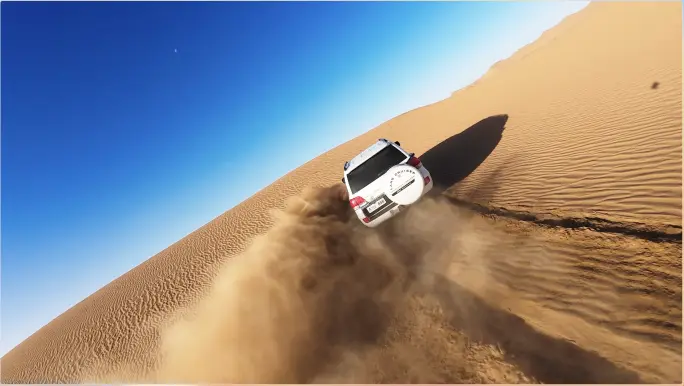
Challenge 2: Market demand differentiation and logistics costs The northern coastal areas prefer economical cars, while the southern Sahara region needs off-road vehicles. However, inland transportation costs are high – the logistics costs from Algiers to Tamanrasset account for 15%-20% of the total vehicle cost (according to the World Bank’s 2023 Logistics Report).
Solution: Compliance and localized services
As a supplier with ten years of experience in the industry, we provide two core values:
EU certified vehicle source: Vehicles that have passed the German TÜV inspection have complete documents to avoid customs clearance risks;
Religious and cultural adaptation: Provide Ramadan exclusive extended warranty services, and the car interior is compatible with Islamic cultural preferences.
In the face of a changing market, only by accurately controlling policy trends and respecting local needs can we establish long-term cooperation advantages. We look forward to exploring a path of sustainable growth with our Algerian partners.
We use cookies to ensure that we give you the best experience on our website. If you continue to use this site we will assume that you are happy with it.