The US-Iran war has reached a crucial turning point: to fight or to negotiate? The answer may be revealed this weekend!
Let’s first look at the US stance. On March 24th, the US delivered a 15-point ceasefire agreement to Iran through Pakistan.
US officials revealed that they are trying to hold negotiations with Iran this weekend, choosing Pakistan as the location.
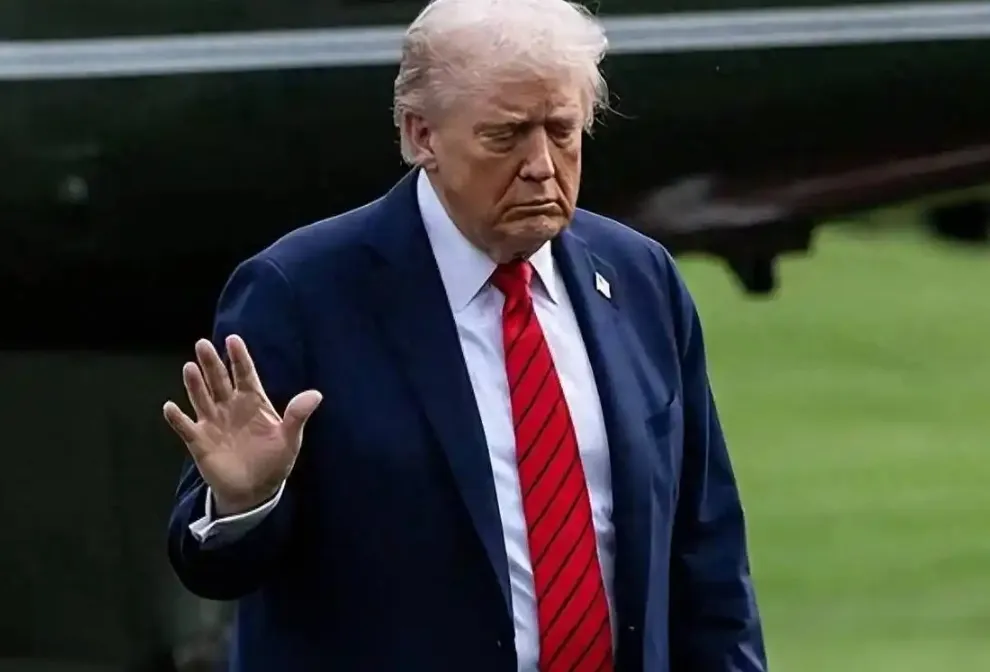
Trump’s words were even more direct. On the 24th, he claimed that Iran was negotiating with him and had agreed to permanently abandon its nuclear weapons development.
The following day, Trump revealed that Iran had presented him with a priceless “gift” and a “very sincere negotiation agreement,” but he was not satisfied. Therefore, Trump decided on a “unilateral ceasefire for one month.”
On March 26th, Pakistani Foreign Minister Dar stated that the US and Iran were conveying messages through Pakistan, and Pakistan was also working to facilitate a meeting between the two sides, committed to promoting peace.
So what is Iran’s stance? On March 25, Iranian state media published an article rejecting the US’s 15-point proposal and put forward five ceasefire conditions, removing the demand for the US to withdraw all military bases in the Middle East. Tehran reiterated: the US has no right to end the war; only Iran does.
To negotiate or to fight? No one knows what Iran is really up to.
By keeping their adversaries guessing, US and Israeli spies and agents in Iran have no way to gather intelligence—this is actually one of Iran’s top-tier strategic maneuvers.
Through this tactic, Iran managed to render Trump speechless and force the US into a one-man show; Iran’s actions can only be described as “miraculous.”
Overall, Iran’s strategic planning in the diplomatic, public opinion, military, and geopolitical spheres has left Trump completely bewildered.
Not only is the US unable to understand Iran’s true intentions, but even Iran’s allies are baffled.
Take Pakistan, for example. While offering negotiation terms, Iran simultaneously threatened to strike Saudi Arabia and other Gulf states. Pakistan simply couldn’t understand Tehran’s calculations.
As the saying goes, “He who takes the money must do the work.” Considering the security agreement signed with Saudi Arabia, Pakistan was forced to take sides, warning Iran that it would retaliate if it attacked Saudi Arabia.
Saudi Arabia also couldn’t understand why Iran would attack it after just reconciling with it. Wasn’t it afraid of being ganged up on by the Gulf states?
As for Iran’s allies, Hezbollah in Lebanon stated that it would “continue to strike Israel,” remaining silent on the issue of striking the Gulf states.
Syria has even joined the condemnation of Iran, unable to understand why Iran is escalating the war.
On the issue of US-Iran negotiations, neither the Gulf states nor Iran’s allies can understand Iran’s war objectives and its limits.
Washington is impatient; why is Tehran unwilling to talk?
Looking at the issue from Iran’s perspective, everything makes sense.
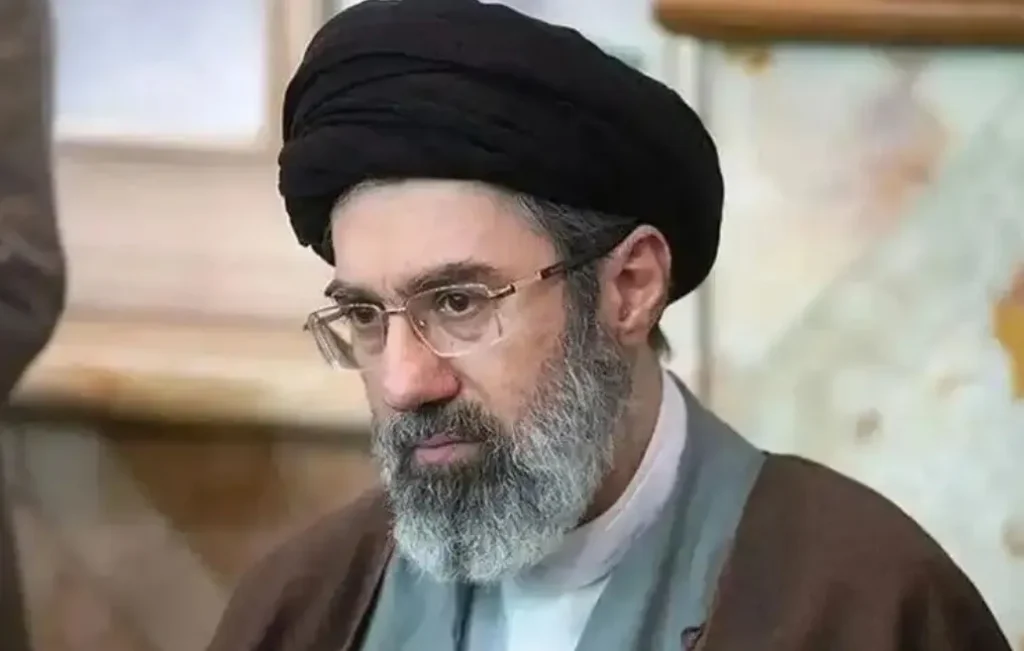
Does Iran want a ceasefire? As we analyzed in yesterday’s article, prices in Iran have skyrocketed, and various sectors, including electricity, food, employment, and production, are in dire straits. From Supreme Leader Mojtaba to ordinary Iranians, everyone is gritting their teeth and persevering. Do they not also want a ceasefire?
Why then is Iran proposing such harsh ceasefire conditions?
For example, demanding compensation from the US, establishing a security guarantee mechanism, requiring the US and Israel to cease their attacks on Iran and the “Arc of Resistance,” and recognizing Iran’s sovereign rights in the Strait of Hormuz.
These conditions serve Iran’s core concerns: preventing a resurgence of US and Israeli attacks and avoiding falling into a delaying tactic by the enemy, waiting for them to replenish their ammunition or be better prepared before striking again.
To make an imperfect analogy, this is the same concern as Ukraine’s.
To achieve this, Iran is striving to increase the cost of war for the US and Israel, increasing pressure on Trump and Netanyahu. A key tactic Iran employs is to inflict significant damage on the US.
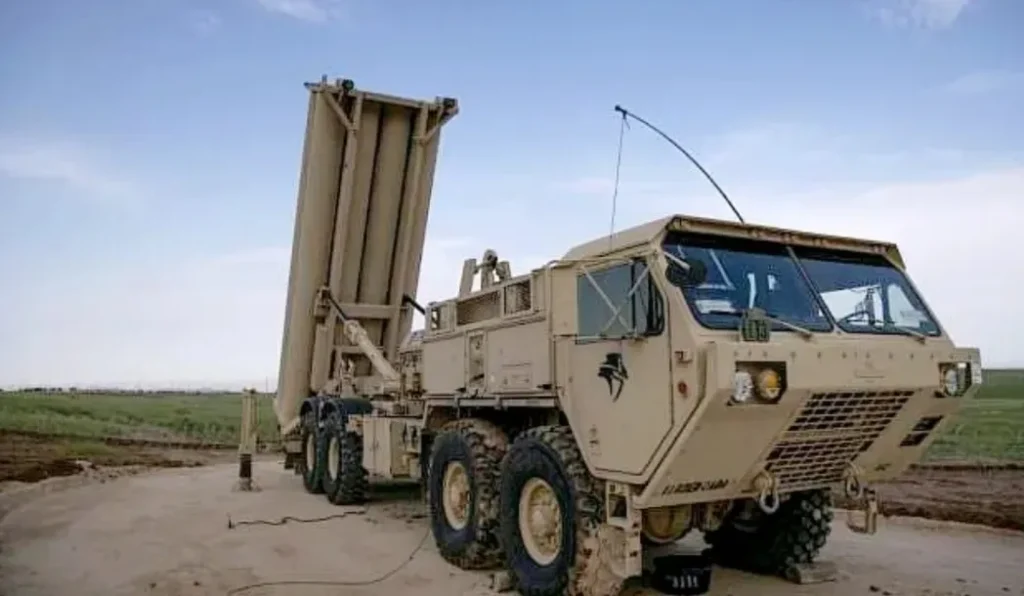
For example, Iran attacked US military bases in the Middle East, destroying at least four THAAD systems and the US “Pave Paws” radar. These systems cost around $1.2 billion each, making them “sky-high priced equipment”.
Iran’s second overt strategy is a passive defense tactic against the US. If you attack my energy facilities, I will attack your military bases, Israeli civilian facilities, and energy facilities in the Gulf states. If you attack my power plants, I will attack your desalination plants, power plants, information technology facilities, and energy facilities. I will also target all US-owned companies in the Middle East and completely close the Strait of Hormuz.
In response to the US’s continuous troop buildup in the Middle East, Iran has also spoken out.
Recently, the Islamic Revolutionary Guard Corps publicly warned that if the US launches ground military action against Iran, Iran will seize the coastlines of the UAE and Bahrain and alter the regional landscape.
This is a powerful counterattack of “you hit me once, I’ll hit you ten times over!” The whole world can see that it is the US that is actively escalating the situation, and Iran is merely retaliating in kind, only this retaliation is quite severe, giving Trump a real taste of what it means to feel the pain.
Even before Iran’s words were fully uttered and no action was taken, US and Nikkei stock markets plummeted, and international energy prices soared. Startled, Trump hastily withdrew his 48-hour ultimatum and announced a five-day extension, reassuring the market that the US was “negotiating with Iran” and that the situation was de-escalating.
Trump hadn’t anticipated Iran’s aggressive stance; this was clearly a desperate, all-or-nothing tactic. He hadn’t expected the war to drag on for 28 days, with Iran still holding out.
He also hadn’t anticipated that despite the assassinations of Khamenei, Larijani, and high-ranking Iranian intelligence and naval officials, Iran hadn’t backed down! Trump’s approval rating plummeted from 40% last week to 36%, his lowest level since returning to the White House.
Trump’s eagerness to negotiate with Iran wasn’t feigned; if the war dragged on any longer, the Republican Party would lose both the House and Senate.
At that point, the entire American political arena would oppose Trump; anything he wanted to do would be vetoed by Congress, his policies would be confined to the White House, and the presidency would become a mere figurehead.
Even more serious is the prospect of endless impeachment and investigations by the Democrats. American politicians he has suppressed, allies like the EU, Japan, and South Korea who have been subject to his tariffs, and even his staunchest confidants will distance themselves and retaliate fiercely.
Thinking about this, Trump is probably already sweating bullets.
The most cunning aspect of Iran’s overt strategy is using America’s regional influence and global hegemony to threaten Trump.
This is no longer just a Republican issue; it’s a matter of common interest for the entire United States and even the entire Western world.
Why is Iran attacking Saudi Arabia and the UAE, among other Gulf states? Because these two countries host major US military bases, making it inevitable that Iranian missiles would enter their airspace.
Because Tehran has previously stated that allowing the US to use its territory to attack Iran would be considered a hostile act.
Because some Gulf states, while outwardly neutral, are actually sharing intelligence with the US and Israel and monitoring Iran, such as Saudi Arabia.
More importantly, Saudi Arabia and the UAE are key players in OPEC, influencing the petrodollar system and America’s strategic foothold in the Middle East.
If these US allies are attacked, and the US is powerless to retaliate, the consequences will be severe. A surge in international oil prices would be the least of their worries; the Gulf states might collectively abandon the dollar for settlements, rendering the “oil for security” agreement invalid.
In terms of security, they would either align with countries like Russia or be forced to compromise with Iran, both resulting in the collapse of America’s Middle East strategy.
Iran’s claim to seize the coastlines of the UAE and Bahrain is one of the means that has left the US “helpless.”
The US Fifth Fleet headquarters is located in Bahrain, a core node for maintaining the US maritime presence and power projection in the Middle East. Bahrain is also directly connected to Saudi Arabia, making its actions highly interconnected.
The UAE, located near the Strait of Hormuz, is a key energy export hub for the Gulf states. Iran’s move is disrupting the Middle East’s security system and energy security, ultimately altering the regional landscape.
Iran’s top-level strategic maneuver has three aspects: keeping its adversaries guessing, inflicting greater damage through more powerful countermeasures, and leveraging its geographical advantages to make adversaries hesitant to act due to geopolitical factors.
These three moves precisely target America’s weaknesses. If this situation can be maintained in the long term, Iran’s war objectives are very likely to be achieved! Looking back, which ancient civilization with thousands of years of history isn’t a formidable force? Which one is easily defeated?
We use cookies to ensure that we give you the best experience on our website. If you continue to use this site we will assume that you are happy with it.